
The Architecture of the "Knot" (It’s Not What You Think)
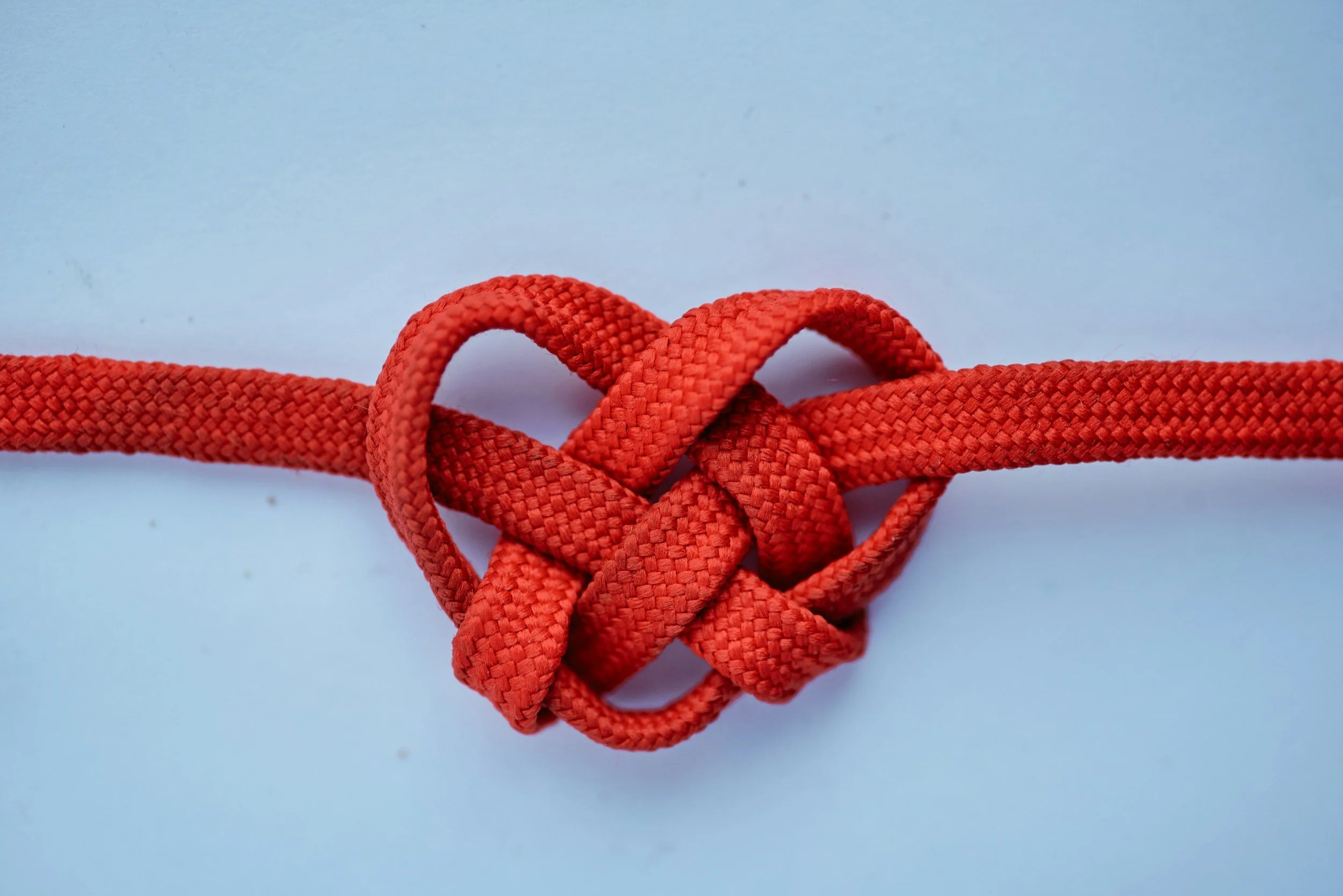
We talk about knots as if they are tangible lumps of coal stuck under the skin. In reality, what you’re feeling is often a cry for help from your fascia: the intricate, spiderweb-like connective tissue that wraps around every muscle, bone, and organ in your body.
Imagine wearing a wet suit that is two sizes too small.
No matter how much you try to stretch your arms, the fabric pulls at your legs. This is how myofascial restriction works. That pain in your neck? It might actually be coming from the tightness in your lower back or even the soles of your feet. This is why a traditional "rub down" often feels good for an hour but wears off by the time you’ve driven back to Ponte Vedra.
To find true freedom of movement, we have to address the web, not just the fly caught in it. This is where myofascial release becomes a game-changer. It’s a slow, intentional melting. We aren't forcing the tissue to submit; we are inviting it to let go.
It’s deep work, but it’s not "painful" work. It’s a specialized form of massage therapy that creates space where there was once friction.